The Role of Neighborhood Associations in Fence Disputes
Understanding the Purpose of Neighborhood Associations
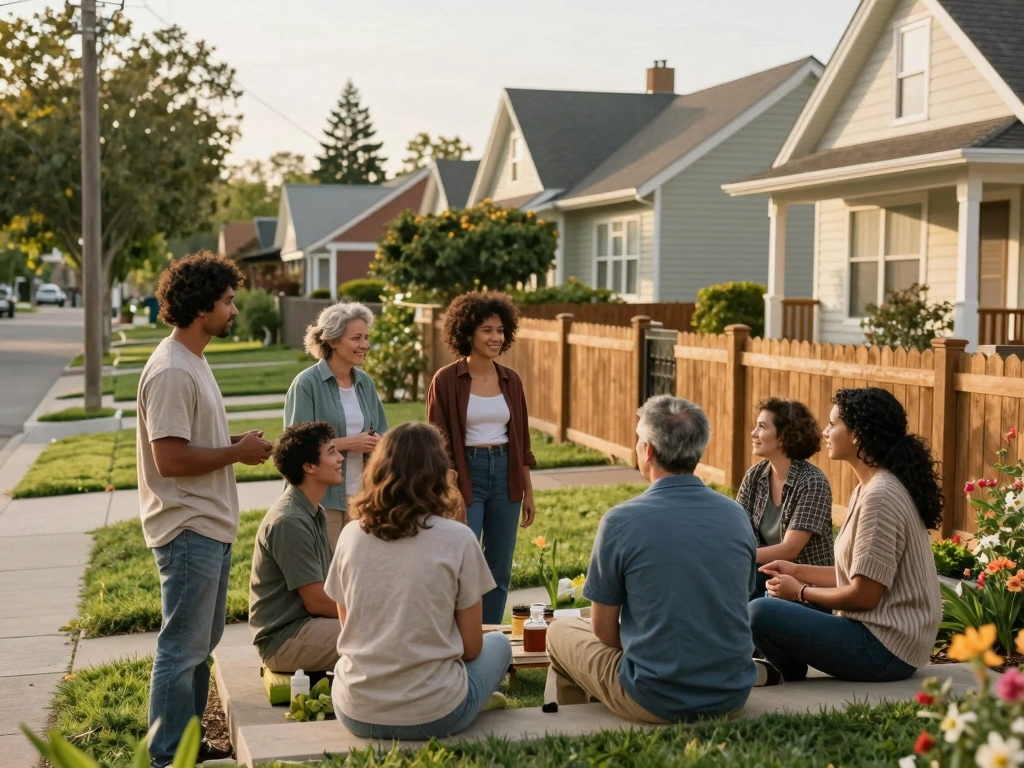
Neighborhood associations play a crucial role in fostering community cohesion and maintaining the aesthetic and functional integrity of residential areas. These organizations are comprised of residents who collaborate to establish guidelines and standards that govern various aspects of community life, including property boundaries, landscaping, and structural modifications such as fences. One of the primary reasons for the formation of such associations is to prevent conflicts among neighbors and to provide a structured mechanism for resolving disputes when they arise.
How Associations Establish Fence Guidelines
To effectively manage fence disputes, neighborhood associations typically develop a set of guidelines that outline the acceptable parameters for fence construction and maintenance. These guidelines often include:
- Height Restrictions: Most associations set maximum height limits for fences to ensure they do not obstruct views or create privacy issues.
- Design Standards: Associations may require that fences adhere to specific styles or materials to maintain a cohesive neighborhood appearance.
- Setback Requirements: Guidelines may stipulate how far a fence must be set back from property lines to avoid encroachment onto neighboring properties.
These regulations are usually outlined in the association's covenants, conditions, and restrictions (CC&Rs), which are provided to all homeowners upon joining the association. Regular updates and community meetings ensure that residents remain informed and involved in the decision-making process.
Key Stakeholders Involved in Fence Disputes
In any fence dispute, several key stakeholders are typically involved:
- Homeowners: The primary parties in a fence dispute, each homeowner may have different perspectives on property boundaries, aesthetics, and responsibilities.
- Neighborhood Association Board Members: These individuals act as mediators and enforcers of established guidelines, facilitating discussions and resolutions.
- Local Government Officials: In some cases, local zoning or planning departments may be called upon to provide guidance on legal standards.
- Legal Professionals: Lawyers may be involved if disputes escalate beyond mediation, particularly when legal action is required.
Common Causes of Fence Disputes in Neighborhoods
Property Line Misunderstandings
One of the most prevalent causes of fence disputes is misunderstandings regarding property lines. Homeowners may have different interpretations of where their property ends and their neighbor's begins. Without a clear survey, this ambiguity can lead to conflicts. For instance, if a homeowner believes their fence is within their property line but it encroaches on a neighbor’s land, the neighbor may request its removal or alteration, leading to tension and potential legal action.
Variances in Fence Height and Design
Variations in fence height and design can also trigger disputes. For example, one homeowner may install a tall privacy fence, while their neighbor prefers an open, low-profile fence for aesthetic reasons. Such differences can create discord, especially if the association's guidelines are unclear or poorly enforced. A 2022 survey by the Association of Community Associations International (ACAI) found that 35% of homeowners reported conflicts over fence height and style, highlighting the importance of clearly defined regulations.
Disputes Over Maintenance Responsibilities
Maintenance disputes often arise when one neighbor feels that the other is neglecting their fence, which affects both properties. For instance, a rotting fence could lead to pest issues or aesthetic concerns for adjacent homeowners. Clear guidelines regarding maintenance responsibilities can help prevent these disputes from escalating.
Conflict Resolution Strategies Employed by Associations
Mediation Processes and Techniques
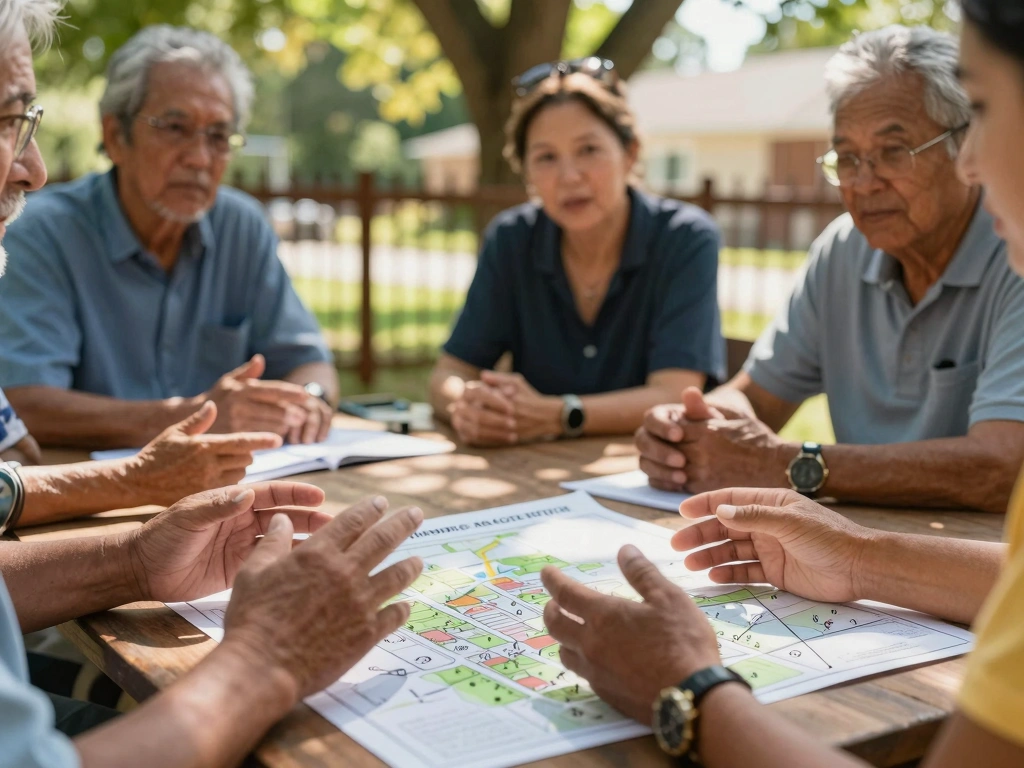
Neighborhood associations often implement mediation processes to resolve fence disputes amicably. Mediation involves a neutral third party who facilitates discussions between the conflicting homeowners. Techniques may include:
- Structured Meetings: Associations may host meetings where both parties can express their concerns and perspectives in a controlled environment.
- Joint Problem-Solving: Encouraging neighbors to collaborate on finding a mutually acceptable solution fosters goodwill.
- Use of Written Agreements: Mediators can help draft agreements that outline the terms of resolution, which both parties sign.
Establishing Clear Communication Channels
Effective communication is vital in preventing and resolving disputes. Neighborhood associations can establish clear channels, such as:
- Regular Newsletters: Keeping residents informed about guidelines, upcoming meetings, and dispute resolution processes.
- Online Forums: Providing a platform for homeowners to discuss issues and find solutions collaboratively.
- Designated Points of Contact: Appointing specific board members to handle disputes can streamline communication and foster trust.
Utilizing Expert Assessments and Opinions
In some cases, neighborhood associations may seek expert opinions to clarify disputes. This can include hiring professional surveyors to determine property lines or consulting landscape architects for fence design standards. For example, in a 2023 case in a suburban community, a fence dispute was resolved after a licensed surveyor confirmed property boundaries, leading to a satisfactory outcome for both parties.
Legal Considerations in Fence Disputes
Understanding Local Zoning Laws
Neighborhood associations must be well-versed in local zoning laws as they significantly influence fence regulations. Zoning laws dictate limitations on height, materials, and placement of fences. For example, many municipalities require fences to be no taller than six feet in residential areas. Associations can provide residents with information about these laws to prevent violations that may lead to disputes.
The Role of Property Deeds and Easements
Property deeds often contain specific easements that can affect fence placement. For instance, if a neighbor's property deed includes an easement for utility access, placing a fence in that area could lead to legal challenges. Neighborhood associations should encourage homeowners to review their property deeds and understand any easements before constructing fences.
When to Involve Legal Professionals
While many disputes can be resolved amicably, some situations may require the involvement of legal professionals. This is particularly true when:
- The dispute escalates and mediation fails to yield results.
- One party threatens legal action or files a lawsuit.
- Complex legal questions arise regarding property boundaries or zoning violations.
Associations should advise homeowners to seek legal counsel when necessary to navigate these complexities effectively.
Success Stories: Effective Resolution of Fence Disputes
Case Studies of Successful Mediation
Numerous neighborhood associations have successfully resolved fence disputes through mediation. For example, in a 2021 case in a suburban neighborhood, two homeowners disputed the height of a newly installed fence. After the association facilitated a mediation session, both parties agreed to lower the fence and share the cost of landscaping to improve aesthetics. This not only resolved the conflict but also strengthened neighborly relations.
Community Engagement and Feedback
Community engagement plays a vital role in the success of dispute resolution. Associations that actively seek feedback from residents are better equipped to address concerns before they escalate. For instance, a neighborhood association in California implemented a feedback survey after a series of fence disputes, leading to the revision of their fence guidelines. This proactive approach reduced future conflicts significantly.
Long-term Solutions and Preventive Measures
To ensure long-term harmony, neighborhood associations should focus on preventive measures. These can include:
- Regular Workshops: Hosting workshops on property rights and fence regulations can educate homeowners and prevent misunderstandings.
- Clear Documentation: Maintaining updated records of property lines and guidelines that are easily accessible to residents.
- Fostering Community Relationships: Encouraging social events that promote neighborly interaction can reduce the likelihood of disputes arising.
By implementing these strategies, associations can create a more harmonious living environment where fences are not a source of conflict but rather a means of enhancing property value and community aesthetics.